New test
An additional type for the item, typically used for adding more specific types from external vocabularies in microdata syntax. This is a relationship between something and a class that the thing is in. Typically the value is a URI-identified RDF class, and in this case corresponds to the use of rdf:type in RDF. Text values can be used sparingly, for cases where useful information can be added without their being an appropriate schema to reference. In the case of text values, the class label should follow the schema.org style guide.
The temporalCoverage of a CreativeWork indicates the period that the content applies to, i.e. that it describes, either as a DateTime or as a textual string indicating a time period in ISO 8601 time interval format. In the case of a Dataset it will typically indicate the relevant time period in a precise notation (e.g. for a 2011 census dataset, the year 2011 would be written “2011/2012”). Other forms of content, e.g. ScholarlyArticle, Book, TVSeries or TVEpisode, may indicate their temporalCoverage in broader terms – textually or via well-known URL. Written works such as books may sometimes have precise temporal coverage too, e.g. a work set in 1939 – 1945 can be indicated in ISO 8601 interval format format via “1939/1945”.
Open-ended date ranges can be written with “..” in place of the end date. For example, “2015-11/..” indicates a range beginning in November 2015 and with no specified final date. This is tentative and might be updated in future when ISO 8601 is officially updated. Supersedes datasetTimeInterval.
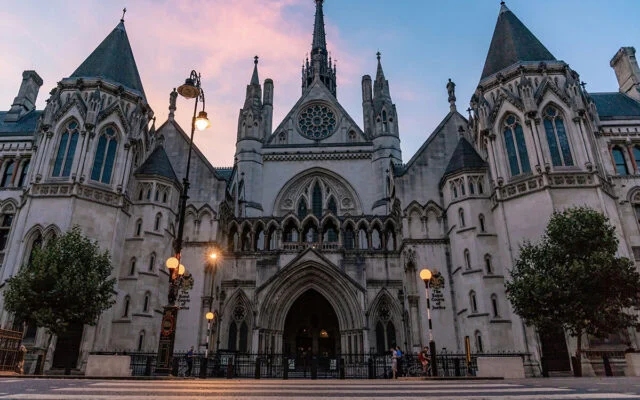
Can this be claimed?
150-164 Upper Elmers End Rd, Beckenham, BR3 3DS
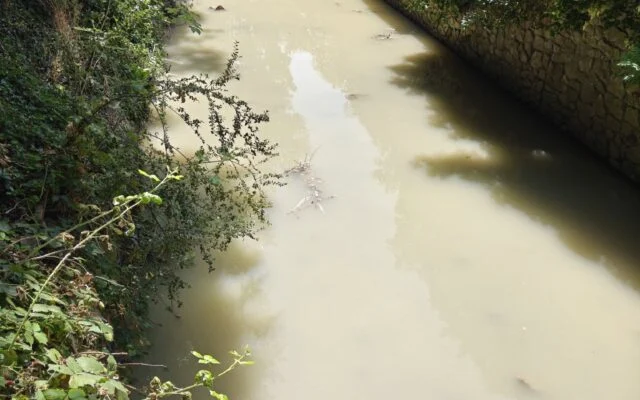
Fox and Hound Pub Bromley
39 East St, Bromley, BR1 1QQ
- Steak and chips 75 minutes £180
- Long Stay Per hour £40
- Medium Stay Per person £75